
Washer control boards and timers
-
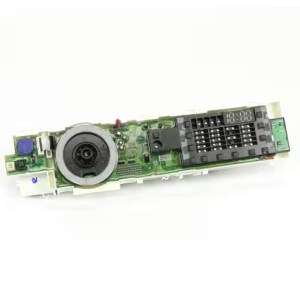 EBR86498802 LG PCB AssemblyMFG Number: EBR86498802Special Price $322.99 Regular Price $451.99 (29% off)
 -
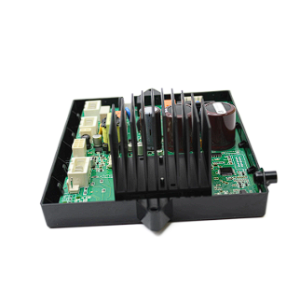
-
 204783 Speed Queen Top-Load Washer Output Control Board AssemblyMFG Number: 204783Special Price $132.99 Regular Price $166.99 (20% off)
 -
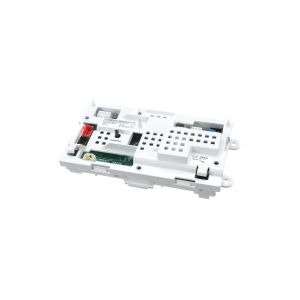 W11607637 Washing Machine Main Control BoardMFG Number: W11607637Special Price $190.99 Regular Price $270.99 (30% off)
 -
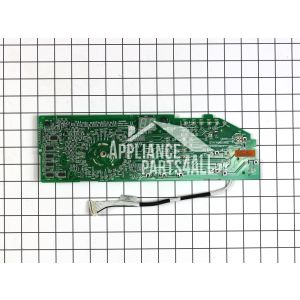 8564290 Whirlpool Washing Machine User Control and Display BoardMFG Number: 8564290Special Price $130.99 Regular Price $221.99 (41% off)
 -
 137006000 Frigidaire Main Control Board for Washing MachinesMFG Number: 137006000Special Price $181.99 Regular Price $283.99 (36% off)
 -
 134743500 Frigidaire Washing Machine Motor Control BoardMFG Number: 134743500Special Price $154.99 Regular Price $190.99 (19% off)
 -
 WP3953321 Whirlpool Washing Machine TimerMFG Number: WP3953321Special Price $164.99 Regular Price $247.99 (33% off)
 -
 WP22001025 Whirlpool Washing Machine TimerMFG Number: WP22001025Special Price $149.99 Regular Price $227.99 (34% off)
 -
 WP3953146 Whirlpool Washing Machine TimerMFG Number: WP3953146Special Price $155.99 Regular Price $267.99 (42% off)
 -
 WPW10111389 Whirlpool Washing Machine TimerMFG Number: WPW10111389Special Price $129.99 Regular Price $231.99 (44% off)
 -
 WPW10177827 Whirlpool Washing Machine TimerMFG Number: WPW10177827Special Price $175.99 Regular Price $261.99 (33% off)
 -
 WP22004257 Whirlpool Control Board and Led AssemblyMFG Number: WP22004257Special Price $180.99 Regular Price $255.99 (29% off)
 -
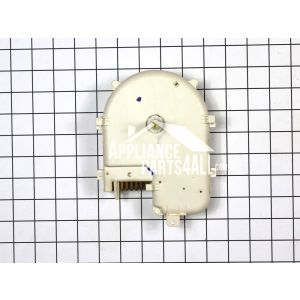 WP22004015 Whirlpool Washing Machine Circuit Board & TimerMFG Number: WP22004015Special Price $104.99 Regular Price $132.99 (21% off)
 -
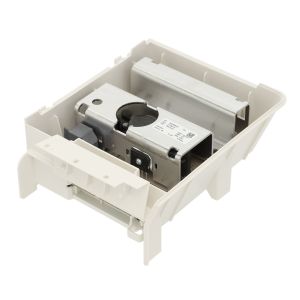 WP8183196 Whirlpool Motor Control Board for Washing MachinesMFG Number: WP8183196Special Price $257.99 Regular Price $384.99 (33% off)
 -
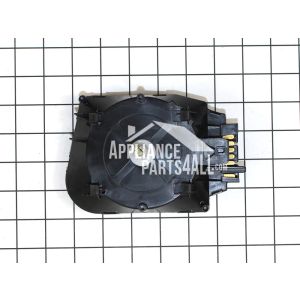 WP8577356 Whirlpool Washing Machine TimerMFG Number: WP8577356Special Price $113.99 Regular Price $178.99 (36% off)
 -
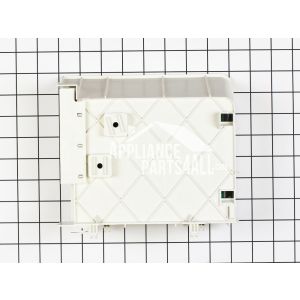 WPW10384846 Whirlpool Washing Machine Motor Control BoardMFG Number: WPW10384846Special Price $280.99 Regular Price $322.99 (13% off)
 -
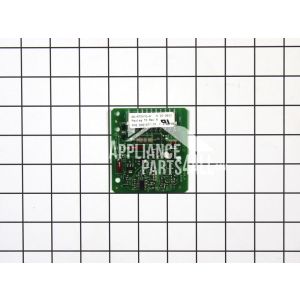 WP22003906 Whirlpool Washing Machine Main Control BoardMFG Number: WP22003906Special Price $54.00 Regular Price $77.00 (30% off)
 -
 WP22002452 Whirlpool Washer/Dryer Combo TimerMFG Number: WP22002452Special Price $169.99 Regular Price $258.99 (34% off)
 -
 W10745339 Whirlpool Washing Machine Main Control BoardMFG Number: W10745339Special Price $285.99 Regular Price $368.99 (22% off)
 -
 134618201 Frigidaire Washing Machine Main Control BoardMFG Number: 134618201Special Price $140.99 Regular Price $177.99 (21% off)
 -
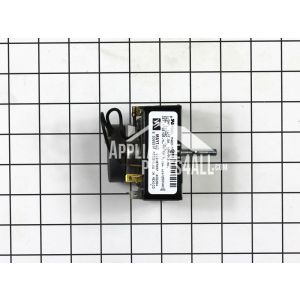 WP33001034 Whirlpool Washer/Dryer Combo TimerMFG Number: WP33001034Special Price $156.99 Regular Price $237.99 (34% off)
 -
 WP22004299 Whirlpool Washing Machine Main Control BoardMFG Number: WP22004299Special Price $185.99 Regular Price $264.99 (30% off)
 -
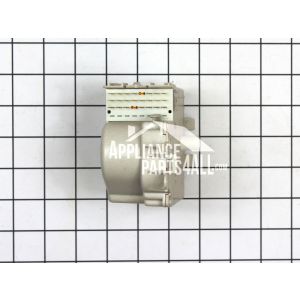 WP22002441 Whirlpool Washing Machine TimerMFG Number: WP22002441Special Price $194.99 Regular Price $375.99 (48% off)
Washer Control Boards and Timers
Ever puzzled by the controls on your washer? Fret not, you're in the majority. Grasping these vital parts is key for washer upkeep and problem solving, but it tends to be perplexing sans proper tutorial.
In our detailed post, 'An Easy Walkthrough on Washer Control Boards and Timers: Everything That Matters,' we've got your back. DIY fan or not, wanting to understand your device better, our guide offers you complete knowledge.
First, we demystify washer controls and timers, clarifying their roles and significance. We'll look at prevalent problems and their resolutions for these parts. With easy-to-follow pointers and expert viewpoints, you'll brave any challenge.
Stick with us as we unravel these crucial washer parts, arming you with the know-how to maintain a trouble-free laundry routine. Let's dive in and guide you in commanding your washer's controls and timers better.
Understanding Washer Control Boards
The washer's control board has a key part in regulating your washer. It runs multiple actions such as water levels, wash cycles, heat levels, and spin speeds. Here, we probe more into washer control boards, enlightening you on their significance and operation.
1. Unraveling the Washer Control Board
The control board in a washer, also known as the user or motor control board, is the washing machine's brain. It grabs input from users and sends tasks to different machine parts. This vital component is found either on the machine's top or back and connects to a range of modules, sensors, and timers.
2. Inside the Washer Control Board
The washer control board is a complex piece made up of various components. All working in unison, they ensure a smooth wash. These include:
Microprocessor: Think of this as the control board's main hub where all machine instructions run.
Input Interface: This connects to the control panel, grabbing signals from users. It lets you pick your settings like wash cycle, water amount, and heat.
Output Interface: This guy talks to other parts like valves, pumps, and engines, kicking off specific actions during the wash.
Memory: The board stores important info like error codes and user settings.
Power Supply: This gives juice to the control board, enabling its efficient operation.
3. Common Control Board Predicaments
Control boards, sadly, aren't immune to problems. Over time, they can cause your washer to act up. Some usual issues include:
No Power: The command center needs steady electricity. Without it, it doesn't work.
Bad Links: Thing can go wrong if the command center and parts don't talk. Broken connections can cause this.
Broken Board: Sometimes a bad surge or wear and tear messes up the circuit board. This makes the command center stop working.
Error Alerts: When things break, the command center may show codes. These help you fix problems.
The Role of Timers in Washers
Timers are a big deal in washers. They tell the washer when to do what. If you learn about timers, you can fix your washer better.
1. What's a Washer Timer?
A timer is found on the washer's front. The timer says how long the washer works. It has settings for different loads. Settings like gentle, normal, and heavy. You set it to wash how you want, and it makes sure things happen when they should.
2. What Timers Do:
- a) Control Cycles: The timer's main job is to know how long each part of washing needs to be. It decides when it's time to fill, shake, rinse, and spin. The timer helps the washer move from one thing to the next.
- b) Hit Pause: Sometimes, your washer might have a nifty feature that lets you stop the cycle for a bit. If you have to throw in another dirty shirt or if you want to start laundry later, this comes in handy.
3. Clocking Your Washer:
- a) Good 'Ol Reliable: Normal washers tend to have mechanical timers. These timers have a dial. When this dial moves, it flicks switches on and off at different spots. They are super dependable, but usually don't have fancy features.
- b) Fancy Pants Timer: Newer washers are more techy and come with electronic timers. These timers are smart and precise. They have neat things like LED screens, extra cycle options, and programmable settings.
4. Making your Timer Tick Right:
- a) Wonky Timer: If the machine's cycles start acting weird and the timer is off-kilter, it might need a fix-up or a swap. You can look for a solution in the user's manual or the company's website.
- b) Motor Mayhem: If the timer's engine breaks down, your laundry might take too long or too little. In these situations, you'd need to either replace the timer or the motor control panel. The manufacturer's repair section can come to the rescue.
Common Issues with Control Boards and Timers
Your washer's control boards and timers are key parts. Yet, they can run into problems, just like any other electronic parts. These issues can hamper your washer's smooth performance. Let's talk about common issues with these parts and how to address them. A failing control board is a common issue. Various reasons, like power overloads, wiring issues, or everyday use and age, can trigger it. When a control board gives out, your washer might start misbehaving or stop working altogether.
Spotting a control board malfunction begins with scanning the display for warning codes or alert messages. Identify a unique error code? Look it up in your washer's guide or the maker's website for more repair details tied to your model type. In certain situations, a quick reset or reboot might sort out the problem for a bit. Detach the washer from the power, pause for a while, then reconnect it. This might restart the control board, getting rid of minor hiccups.
Yet, if your issue lingers, this might point to a faulty control board needing to be swapped. Speak to a trained tech support or reach out to the maker's support for advice on getting the right replacement part (Keywords: valid replacement part, OEM part, manufacturer). Washers may have an issue with a broken timer. Tasks like wash time, water fill, spin time, and others are managed by the timer. When the timer stops working right, abnormal washer cycles may occur.
The timer sticking at a certain point or not moving forward is a sign of trouble. First, check for faulty wires or shaky connections near the timer (Keywords: electrical testing). Make sure the timer knob isn't loose or out of position.
If the problem keeps happening, a new timer might be needed. Look at your washer's instruction book or call the manufacturer for data on buying a timer control compatible with your model.
Choosing the Right Control Board or Timer for Your Washer
Repairing or changing the control panel or timer of your washer means making vital decisions. Here are some necessary factors to think about when picking the right control panel or timer for your appliance:
1. Compatibility with your Model Number
Making sure your chosen timer or control panel matches your washer model is crucial. Spot the model number on your machine or check the user guide to confirm the match. This ensures a smooth replacement journey and helps you dodge any compatibility troubles.
2. Real Replacement Piece
Choose real OEM (Original Equipment Manufacturer) pieces when selecting a control board or timer. These pieces are made specifically by the original brand, flaunting superior compatibility and dependability. Real replacement pieces extend your washer's longevity and guarantee the best performance.
3. OEM Part: Advice from the Maker
Verify if the control board or timer you're nearing is endorsed by the maker. Most makers give a list of suggested pieces and suppliers. Heeding the maker's advice is a sound way to ensure the replacement part's quality and compatibility.
4. Peek at the Repair Assistance Section on the Website
Numerous appliance makers have a repair assistance section on their website. This space offers priceless info about switching out control boards or timers, along with detailed guides or video help. Utilize these tools to grasp the replacement process better and confirm a smooth installation.
5. Extra Repair Details
Search for more facts about the control board or timer you're inspecting. This could encompass user feedback, scores, and responses from prior customers who've used the piece before. Perusing others' experiences can offer insights into the replacement part's sturdiness and efficiency.
6. Get expert help when needed
Picking the right control board or timer might be confusing. Don't fret! An expert can help. Get in touch with a reliable appliance repair person, or the customer support team of the maker. They can steer you towards the right decision based on your specific washing machine.
Benefits of Using Genuine OEM Control Boards and Timers
Diving deep into the world of washer boards & timers, always go for Original Equipment Manufacturer (OEM) parts. Choosing OEM control boards & timers over others can offer you a basket full of perks to improve your washer's performance and life-span. Here are some key perks:
5.1 Compatibility and Reliability
One huge benefit of choosing OEM control boards & timers is you're ensured complete blend & trustworthiness. These parts are tailor-made to fit smoothly with your specific washer model (mention model number). By picking the correct board & timer, you dodge the threat of mismatch or breakdowns posed by generic or secondary market pieces.
5.2 Quality and durability
OEM control boards & timers are built to the topmost quality, guaranteeing long life & effective work. These pieces undergo strict checks & abide by precise production rules laid down by the original maker. Investing in OEM parts, assures you they are designed to endure the daily operations of a washer and provide consistent service over a long period.
5.3 Plug-and-Play Installation
By using genuine OEM control boards and timers, you ensure a simple installation process. These specific parts are engineered to work seamlessly with your washer. They install without issue, eliminating the need for adjustments or worries about compatibility. They replace the original parts directly, streamlining the setup process, saving you precious moments and effort.
5.4 Access to Handy Repair Resources
One plus point of using genuine OEM control boards and timers is the access to more repair information. Many manufacturers provide comprehensive guides and resources that aid users during the installation and troubleshooting of the OEM parts. This is beneficial if you enjoy DIY minor repairs. The manufacturer's help section often includes easy to follow instructions, diagrams, and videos to support you.
5.5 Guaranteed Support
Choosing genuine OEM control boards and timers gives you the added benefit of the manufacturer's guarantee and support. If any problems occur within the guarantee period with these installed parts, you can count on the manufacturer for help and replacement options. This extra promise provides comfort, knowing that you're covered.
Installation Guide: Replacing Control Boards and Timers
Fixing or swapping out control panels and timers in your washing machine can be plain sailing with easy-to-follow steps and simple tools. Encountering a pesky control panel issue or a stubborn timer problem? This handy guide is your ticket to a solution.
1. Assemble your tools and parts:
- Only a screwdriver (size can differ with your washer)
- Pliers (not always needed, depends on the model)
- Spare control board or timer (must fit your washer)
- Safety gloves and goggles (for your protection)
2. Cut the power supply:
- Make sure to unplug your washer before you start. Safety first!
3. Get the control panel off:
- Your mission starts with finding the control panel. Most of the time, it's up at the top or right at the front.
- Use the screwdriver to take out the panel-locking screws. Lift it calmly and it should come right off your machine.
4. Spot the control board or timer:
- Got the panel off? Brilliant. Now you'll see the control board and timer. They're normally hiding just behind where the panel was.
- Pay careful attention to the wires and connections so you reconnect them right later.
5. Take out the old board or timer:
- Start by pulling out any wires hooked onto the control board or timer. A photo or a quick note of how it's plugged in can be a big help. Use that trusty screwdriver to ease out any screws holding the board or timer.
- Once it's free, pull the old part out gently. Let's get that washer spinning again!
6. Setting up the new control board or timer:
- Position the fresh control board or timer in its appropriate place. Make sure it's securely fitted.
- Use the screws you took out before to fasten it.
- Rejoin the wires to the correct terminals. Use the picture or notes you took before as a guide.
7. Putting the control panel back together:
- Gently place the control panel back in its spot.
- Use the screws you saved before to lock it in place.
- Ensure it's secure and not blocking any other parts.
8. Checking the washer:
- With the new control board installed and the panel back together, it's test time. Plug the power supply back in.
Maintenance Tips for Longer Lifespan
Looking after your washer control board and timer will make them last longer and work better. Follow these steps for a smoothly running washer:
1. Cleaning Often:
- Dirt builds up on the control board and timer, which affects how they work. Use a light brush or cloth to clean the control board and timer often.
- Don't use strong chemicals or rough cleaners, as they can harm the parts. A mild soap and water mix can remove grime and dirt.
2. Check and Tighten Connections:
- On a regular basis, peek at the connections between the control board, timer, and other parts like motor control board and machine timer.
- Are there any loose connections or bad terminals? Tighten or replace them if needed. Loose parts can make the washer act wacky.
3. Look for wear and tear:
- See if there’s any obvious damage like broken circuit boards or worn out wires on the control board and timer.
- If anything looks wrong, think about using genuine replacement parts. Going with manufacturer parts guarantees they'll work and will help your washer last longer.
4. Guard against water damage:
- Water can hurt the control board and timer. Make sure the washer's surroundings are dry and not too humid.
- Water leaks? Fix them fast. Water damage can really mess up the control board and the other electric parts.
5. Defend from power spikes:
- Power surges? They can ruin the control board and timer. Using surge protectors can keep your washer safe when the voltage jumps up suddenly.
- Also, think about getting a filter for the electric supply noise. Too much electric interference can make the washer control board not work right.
6. Stick to the maker's instructions:
- For the control board and timer of your washer, follow what the manufacturer's instructions say.
- The guidance from the manufacturer might have extra steps for maintenance or special cleaning methods. Following these ensures your washer performs its best and lasts a long time.
Picking YourParts for Your Washer Components: The Rationale
Looking to buy washer components? Quality and reliability are crucial. YourParts meets these needs. Why pick us? Here's why:
1. Broad Range: We provide various washer parts, like control boards and timers at YourParts. Seek a special model or a real replacement part? We've got you. Our stock comprises OEM parts from top producers for compatibility and dependability.
2. Skilled Team: Our experts have loads of appliance industry knowledge. Need intricate details about control boards and timers? Need additional repair info? Questions? Count on YourParts. Our pros are here for you.
3. Quality Check: We maintain strict quality checks. Our products are sourced directly from the makers, ensuring genuine OEM parts. With YourParts, rest easy knowing you're buying a high-grade product to boost your washer's performance and life.
4. We at YourParts put you, the customer, first. You can rely on our responsive customer support team for any queries. Need help picking the right control board? Or perhaps some advice on fixing your washing machine? We're ready and willing. We aim to make shopping with us smooth and individualized.
5. We know budget matters when you're buying washer parts. Hence, we price our products well. With YourParts, you get top-notch control boards and timers without emptying your wallet. We stand by the idea that good appliance parts should be budget-friendly yet high-quality.
Safety Precautions When Replacing Control Boards and Timers
Replacing control boards and timers in washing machines must be done safely. Below are key safety steps to take before you start:
1. Turn Off the Power: Switching off the power supply is a must before meddling with electrical parts. Unplug the machine or turn off its circuit breaker to steer clear of mishaps or shocks during replacement.
2. Gear Up Safely: Ensure you're safe by wearing the right gear. Safety glasses shield your eyes from debris, gloves shield your hands from injury, and slip-resistant shoes provide stability.
3. Follow the Maker's Guide: Washer models each have unique steps for switching out control boards and timers. Read the maker's guide that comes with the new parts with care. This guide will lead you through the steps and make sure you do them right.
4. Confirm You've Got the Right Part: Ensure the new control board or timer you buy works with your washer model before buying. Always check the model number and, if unsure, look at the maker's website or call their help desk. Using a part that doesn't fit could break your washer.
5. Be Safe Around Electricity: Control boards and timers have electricity in them, so take care when you handle these. Don't touch any wires or metal parts without protection. Unsure about any electric setups? Then get a pro to help so you don't get shocked.
6. Turn Off the Water: So no water leaks out during fixing, turn off the water going to your washer. You'll avoid any water problems and keep safe while working on the control boards and timers.
7. Don't Force Things: Don't put a lot of force into taking out or putting in control boards and timers. Too much force could break the components or other parts of the washer. Follow the maker's guide and use a gentle, firm touch.
8. Test the Washer After Replacement: Once you have successfully replaced the control board or timer, test the washer to ensure it functions properly. Run a test cycle to confirm that the new component is working as expected. If you encounter any issues, consult the manufacturer's troubleshooting guide or seek professional assistance.
Remember, if you are uncertain or uncomfortable with any step of the process, it's always best to seek professional help!
Conclusion
In conclusion, understanding washer control boards and timers is essential for maintaining and troubleshooting your washing machine effectively. By gaining a deeper understanding of these components, you can confidently identify issues, make informed decisions, and even tackle some repairs on your own.
Remember, the control board is the "brain" of the washer, responsible for coordinating various functions, while the timer controls the duration and sequence of cycles. Familiarizing yourself with their operation and common problems will empower you to take control of your laundry routine.
To further enhance your knowledge, make sure to refer to your washer's manual for specific information and always consult a professional iX f you're unsure or uncomfortable with DIY repairs. Keep in mind that regular maintenance, such as cleaning and inspecting these components,
FAQ
How do I replace a control board or timer?
To replace a control board or timer, you will need to remove the existing board or timer, unscrew the cover, and replace it with the new one.
What kinds of control boards and timers do washers have?
Washers use two kinds of timers: manual and electronic. You operate the manual timers by hand. The electronic timers are run through an electronic control panel.
