
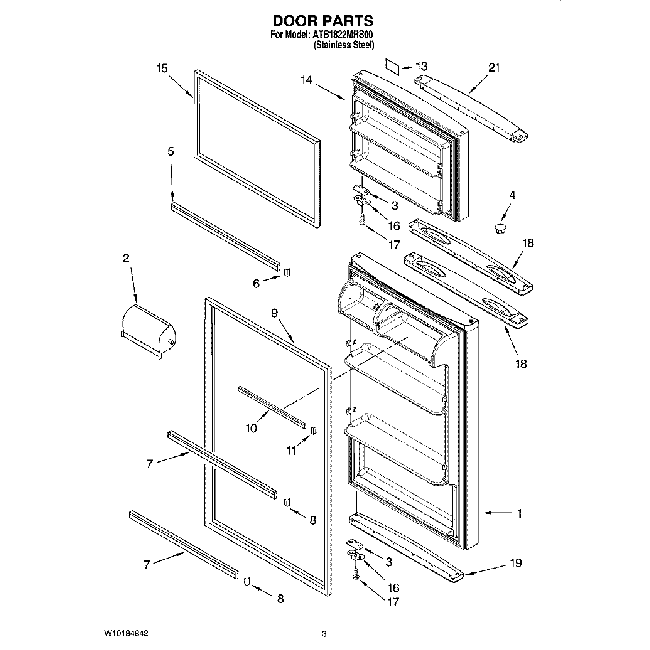
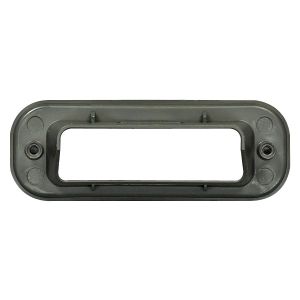
WP2156007 Whirlpool Refrigerator End Cap Trim
Availability:
In stock
In stock items are shipped the same day on all orders made before 4 PM Eastern Time. Orders made after 4 PM Eastern Time, Weekend or a Holiday will ship the following business day.
Whirlpool
MFG Number
WP2156007
Manufactured BY:
Whirlpool
This manufacturer part number # WP2156007 replaces our competitors' part numbers: AP3136276, 2156007D, 441733, AH323629, EA323629, PS323629, 2156007.
Special Price
$4.99
Regular Price
$5.99
(17% off)
Refrigerator End Cap Trim
Whirlpool offers a range of products under various brands, including Whirlpool, Amana, KitchenAid, Maytag, Jenn-Air, Magic Chef, Roper, and Admiral. They also manufacture items for Sears-Kenmore and Ikea. The Shelf End Cap is an OEM replacement part designed for Whirlpool refrigerators. It is situated at the rear end of the refrigerator shelves and provides a finished edge, ensuring smooth insertion and removal along the tracks.
A faulty shelf end cap may show the following issues:
- Cracks that cause shelves to bow backward
- Tears that create gaps, allowing spills to fall behind
- Deformations from impacts that hinder proper shelf alignment
These problems typically arise from repeated use, which causes wear over time, or from placing overly heavy loads that strain the plastic material.
Whirlpool offers a range of products under various brands, including Whirlpool, Amana, KitchenAid, Maytag, Jenn-Air, Magic Chef, Roper, and Admiral. They also manufacture items for Sears-Kenmore and Ikea. The Shelf End Cap is an OEM replacement part designed for Whirlpool refrigerators. It is situated at the rear end of the refrigerator shelves and provides a finished edge, ensuring smooth insertion and removal along the tracks.
A faulty shelf end cap may show the following issues:
- Cracks that cause shelves to bow backward
- Tears that create gaps, allowing spills to fall behind
- Deformations from impacts that hinder proper shelf alignment
These problems typically arise from repeated use, which causes wear over time, or from placing overly heavy loads that strain the plastic material.
Write Your Own Review


4775JJ2017P LG Refrigerator/Freezer Hinge Assembly
Special Price
$54.99
Regular Price
$64.99
(15% off)

EBR35226002 LG Refrigerator Dispenser Display Control Board
Special Price
$133.99
Regular Price
$171.99
(22% off)

EAE43285403 LG Air Conditioner Electric Capacitor
Special Price
$35.99
Regular Price
$42.99
(16% off)